
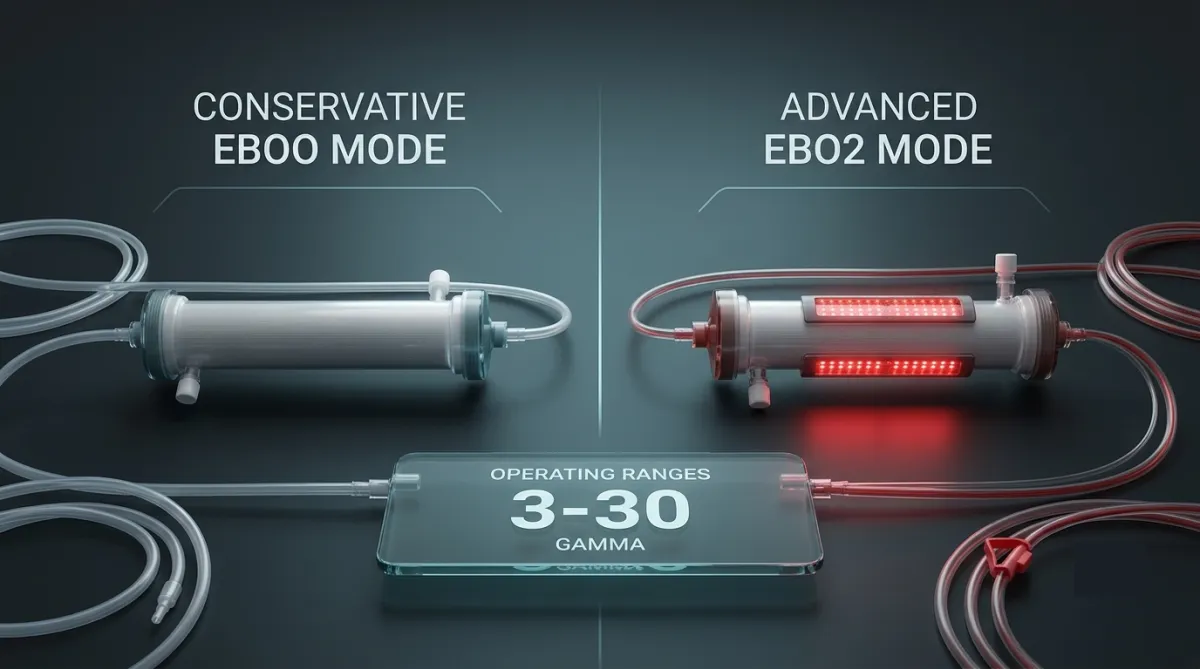
What is the difference between EBOO and EBO2 ozone therapy?
Alternative medicine and advanced wellness clinics frequently discuss blood irradiation and oxygenation systems. Two terms that often appear together are EBOO and EBO2. While both systems utilize ozone therapy concepts, they differ in operational configurations, filtration methods, and target applications. This guide breaks down the structural and functional differences to help you evaluate these technologies.
What is EBOO Ozone Therapy?
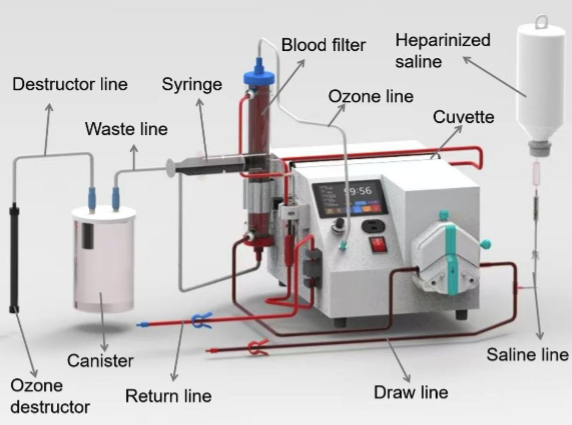
EBOO stands for Extracorporeal Blood Oxygenation and Ozonation. It is a clinical process where blood is drawn from the patient, passed through a specialized external filtration and gas-exposure system, and returned to the body in a continuous, closed-loop workflow. The primary objective is to filter the blood while exposing it to precise concentrations of medical-grade ozone and oxygen.
A standard EBOO setup utilizes dedicated equipment to manage blood flow rates, ensure proper gas integration, and maintain strict pressure limits. You can explore technical configurations and hardware options by checking out an EBOO machine for sale to see how these systems are built.
What is EBO2 Therapy?
EBO2 is often marketed as an updated or proprietary variation of the foundational EBOO workflow. While it operates on the same core principle—moving blood outside the body for filtration and gas enrichment—EBO2 systems typically alter specific hardware components, such as the filtration membranes, the internal surface area of the canisters, or the specific wavelengths of light used during the exposure phase.
Because EBO2 configurations often emphasize specific blood volume processing limits and distinct proprietary features, they come with different acquisition parameters. For a detailed breakdown of these financial and technical differences, contact our team for custom pricing details.
Main Structural Differences: EBOO vs EBO2
When comparing these two approaches, the primary differences lie in the hardware specifications and operational parameters rather than the underlying science of ozone exposure:
Filtration Surface Area: Different system models utilize varying sizes of hollow-fiber dialyzer filters, which can affect the speed of the blood flow workflow.
Light Integration: Foundational setups commonly use standard ultraviolet (UV) or basic LED spectrums, while specific proprietary variations may prioritize red light or multi-spectrum arrays.
Gas Control Options: Advanced setups provide operators with direct, independent controls for ozone and oxygen concentrations, whereas basic systems rely on preset, fixed ratios.
Choosing the Right Configuration for Your Clinic
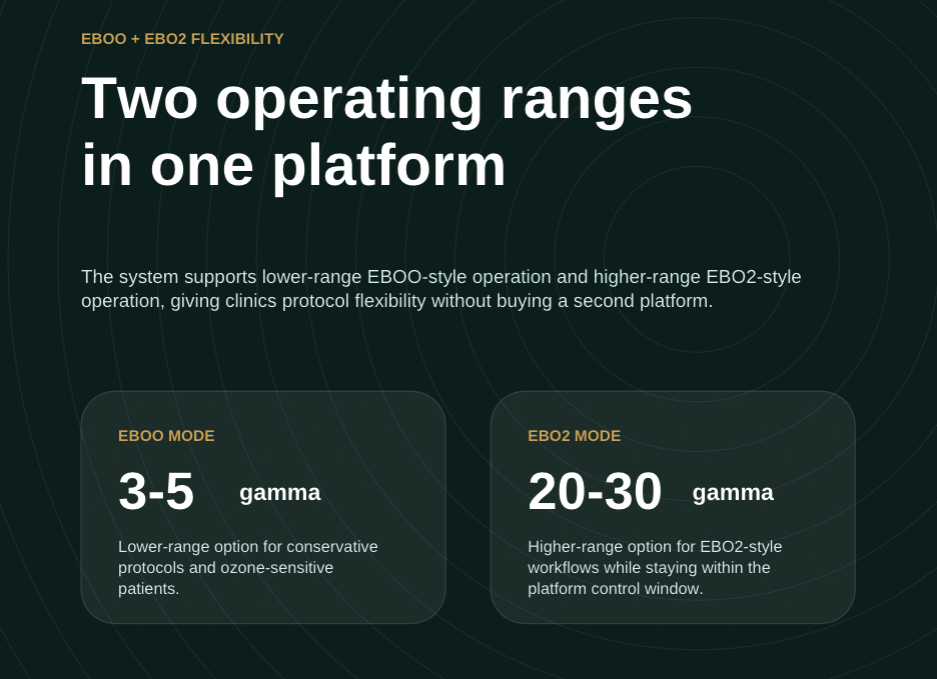
The choice between standard EBOO setups and alternative configurations like EBO2 depends on your clinic's specific operational goals, budget layout, and preferred treatment protocols. Both methods require a thorough understanding of closed-loop systems, single-use sterile consumables, and strict safety monitoring features such as bubble detectors and pressure alerts.
For a detailed breakdown of how hardware features scale across different generations of equipment, read our complete guide on the EBOO vs EBO2 vs EBO3 difference.