
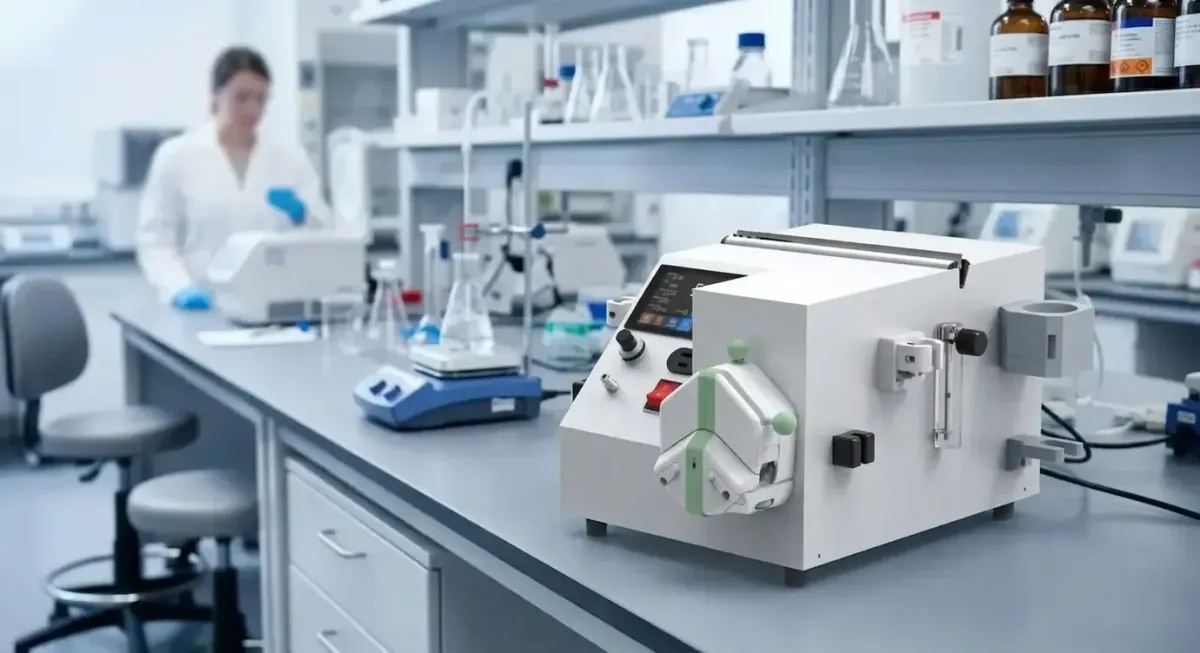
How to Prepare Your Laboratory for the EBOO O3 Research Device
Integrating new extracorporeal circulation equipment into a laboratory environment requires structured preparation. The EBOO O3 Research Device is engineered for controlled laboratory, research, and educational studies involving gas exchange, ozonation, particulate filtration, and UV exposure.
Proper workspace layout, power configuration, safety planning, and consumable inventory management ensure reproducible experimental cycles and maintain high standards of lab safety.
Note: The EBOO O3 Research Device and associated consumables are intended strictly for laboratory, research, and educational use. They are not cleared or approved for clinical, diagnostic, or therapeutic use on humans or animals.
1. Spatial & Workbench Requirements
Before unpacking your unit, ensure your bench space accommodates the main unit and attached accessories cleanly:
Surface Stability: Select a clean, level, and vibration-free laboratory bench capable of supporting the main unit and connected fluid lines.
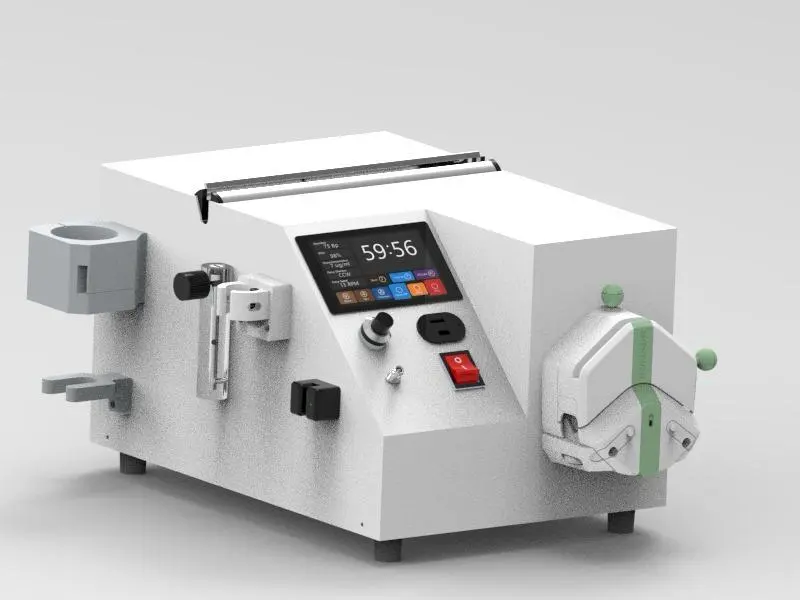
Display Accessibility: Position the device so the integrated touchscreen display is easily accessible to adjust pump speeds (1–99 RPM) and set operational cycle timers.
Clearance for Lines: Allow adequate clearance around the unit for single-use tubing kits, ensuring fluid lines are not kinked or constrained during continuous closed-loop operations.
2. Power & Electrical Setup
The EBOO machine connects using a standard power cable included with the device package.
Dedicated Power Source: Plug the main unit into a grounded, surge-protected outlet to prevent mid-cycle power interruptions during standard 1-hour operational cycles.
Cable Routing: Route power cables away from liquid storage zones or fluid movement channels to prevent electrical hazards.
3. Safety Interlocks & Environmental Controls
The EBOO O3 Research Device features built-in safety mechanisms designed to protect system integrity during experiments:
Ozone Management: The package includes an ozone destructor unit and dedicated destructor tubing. Ensure the destructor unit is properly mounted and connected to safely neutralize excess gas during operation.
Air Entry Prevention: System fluid level sensors monitor the closed-loop flow to prevent air entry. Ensure sensors remain unobstructed during setup.
Monitoring Systems: Integrated temperature and flow rate monitoring help maintain consistent parameters across processing volumes (typically 2.3 to 2.7 liters per hour depending on pump RPM).
4. Consumable Inventory Preparation
Operational setup requires single-use consumables designed specifically for laboratory applications:
Included Hardware: The main device package includes the main unit with touchscreen, power cable, two (2) male Luer lock connectors, and the ozone destructor unit with tubing.
Required Consumables (Sold Separately): Stock compatible complete kits (containing tubing, canisters, and filters) or individual replacement lines prior to starting trial runs.
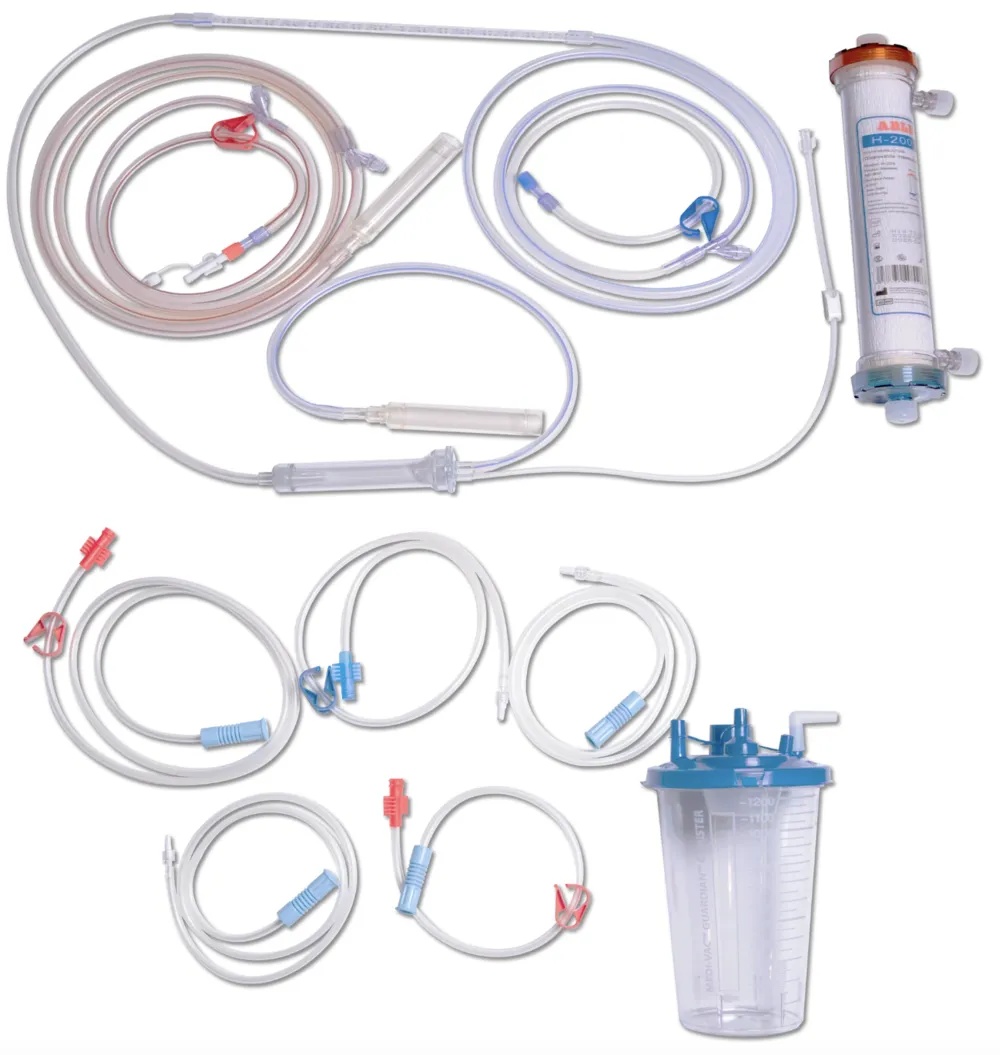
Sterile Storage: Keep unused single-use consumables in a clean, controlled environment to protect experiment integrity.
5. Orientation & Technical Resources
Every purchase includes comprehensive technical documentation covering operational protocols, safety procedures, maintenance guidelines, and troubleshooting references.
Protocol Review: Review the provided documentation with all lab personnel who will manage the touchscreen controls or parameter adjustments (such as standard 1–7 ug/mL vs. extended range up to 60 ug/mL ozone concentration).
Orientation Sessions: Onsite or virtual orientation sessions are available upon request to assist your team with initial setup and calibration procedures.