
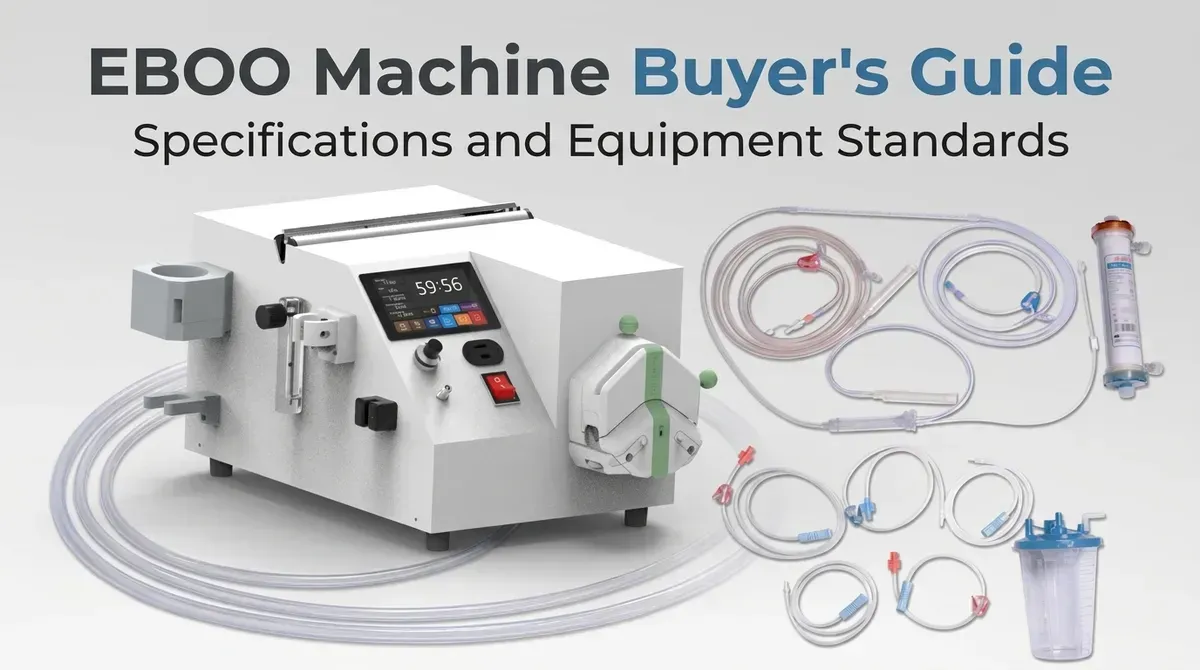
EBOO Machine Buyer's Guide: Specifications and Equipment Standards
When sourcing an extracorporeal circulation system for your laboratory, understanding the technical specifications of an EBOO machine is critical. Whether you are conducting gas exchange studies, filtration research, or controlled ozonation experiments, the equipment you choose directly impacts the accuracy and reproducibility of your data.
If you are currently evaluating an EBOO machine for sale, this guide breaks down the core specifications, essential consumables, and safety mechanisms you need to look for in a professional research device.
Core Specifications of the EBOO O3 Research Device
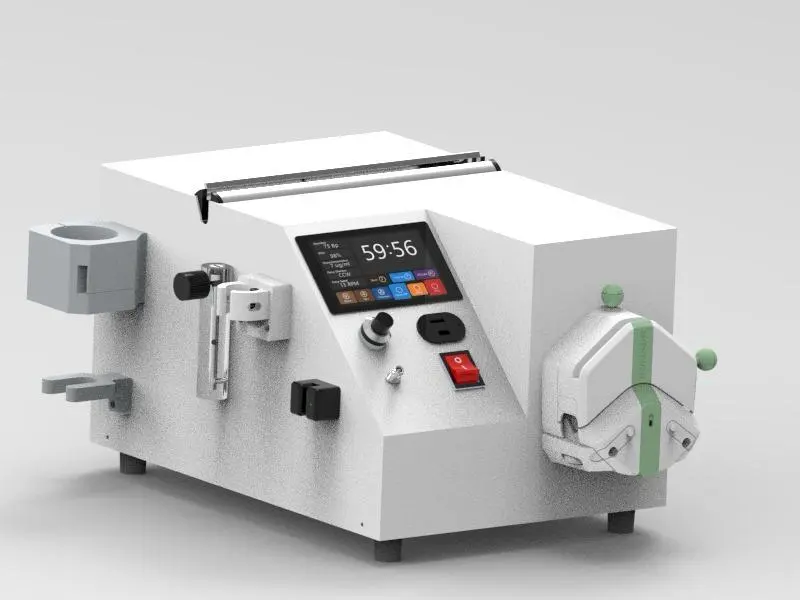
Precision control is the defining feature of a modern EBOO setup. The standard EBOO O3 Research Device 2026 offers highly customizable operational parameters managed through an intuitive touchscreen interface:
Adjustable Pump Speed: The peristaltic pump operates smoothly between 1 and 99 RPM, processing approximately 2.3 to 2.7 liters of fluid medium per hour (at typical 12-14 RPM settings).
Ozone Concentration Range: Standard operations utilize a 1–7 ug/mL concentration. For extended research applications (often referred to as EBO2 protocols), the device can be adjusted up to 60 ug/mL.
Operational Duration: The closed-loop system is designed to operate continuously for approximately 1 hour per cycle, allowing for the complete processing of the fluid medium.
Understanding Consumables: Filters and Tubing Lines
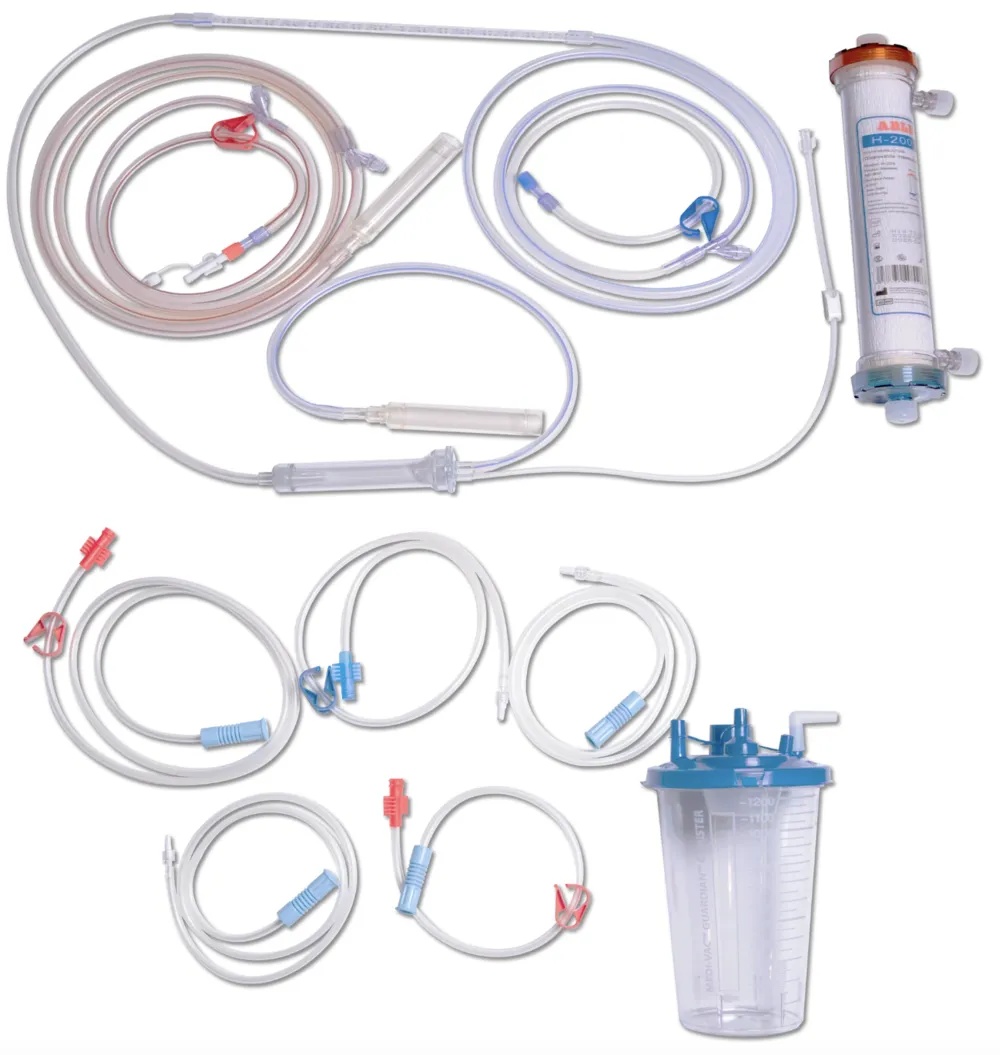
An EBOO machine relies on single-use consumables to maintain a sterile, closed-loop environment. When budgeting for your laboratory equipment, it is important to factor in the cost of these operational kits.
High-quality research systems utilize PES H200 high-flux polyethersulfone filters. These specialized filter modules provide the massive surface area required for rapid gas exchange while simultaneously filtering particulate matter. Complete consumable kits—which include the tubing, waste canisters, and PES filters—start at $25 per cycle.
Laboratory Safety and System Integrity
Dynamic extracorporeal flows require robust safety interlocks. When evaluating an EBOO machine, ensure it includes the following built-in safeguards:
Fluid Level Sensors: These optical sensors continuously monitor the tubing lines and will instantly halt the pump if air is detected, preventing system dry-runs.
Integrated Ozone Destruction: Unused or excess ozone gas must be safely neutralized. A built-in ozone destructor unit ensures your laboratory maintains compliance with indoor air quality and safety standards.
Real-Time Monitoring: The system should provide constant feedback on flow rates and temperature, allowing researchers to maintain exact experimental conditions.
What is Included With Your Purchase?
When you purchase an EBOO O3 Research Device, the package should provide everything needed to power the system and manage gas flow. A standard professional package includes:
The main EBOO O3 Research Device unit with touchscreen display
Power cable and dual male Luer lock connectors
An external ozone destructor unit with destructor tubing
Comprehensive technical documentation and operational protocols
IMPORTANT NOTICE: All EBOO equipment and associated consumables are intended strictly for laboratory, research, and educational use only. They are not medical devices. They are not cleared or approved by the U.S. FDA or any other global regulatory body for clinical, diagnostic, or therapeutic use on humans or animals.